By Wayne Christian
Texas Insider Report: AUSTIN, Texas — Growing up in East Texas, I watched small towns thrive because local businesses kept the lights on. Every courthouse square had stores, restaurants, and families building a future together. Today, too many of those storefronts sit empty.
Rural Texas populations in the past few decades have either declined or remained stagnant. Our young people graduate, pack up, and leave for big cities because that’s where the jobs are.
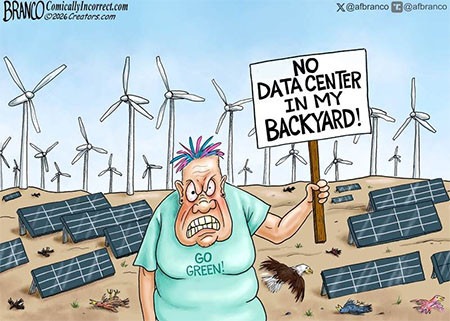
Put simply, rural Texas is dying. That’s why I believe we should take a hard look at the opportunities data centers bring, not slam the door before the conversation even starts.
Now let me be clear. I don’t support data centers that drain a community’s water supply. I don’t support any that drive up electric bills for hardworking families who are already struggling to put food on the table. And I certainly don’t support projects that just aren’t the right fit for the community where they’re proposed.
But that’s exactly why local communities should evaluate individual projects on a case-by-case basis, rather than uniformly banning them statewide.
In East Texas, after careful evaluation and conversations with local stakeholders, Diode Ventures withdrew its proposal for a data center because the project wasn’t the right fit. That’s exactly how the process should work.
Contrast that with blanket bans that tell companies not to bother proposing a project at all. That’s shortsighted.
Not every proposed data center should be built in Texas. Not every project is a good fit for every town. That’s the beauty of the free market. Communities have a voice.
Gov. Greg Abbott’s recent audit directive temporarily pausing certain grid connections while state agencies complete a comprehensive review is a prudent approach. Transparency matters. Texans deserve confidence that our electric grid, water resources, and local infrastructure can support these investments before projects move forward.
It’s the start of something we sorely need: a Texas plan for data centers.
Instead of asking how to stop them, let’s ask how to make them better.
- Can they build or pay for their own water infrastructure? Great.
- Can they generate their own electricity or invest in new power generation? Even better.
- Can they reduce noise, improve cooling technology, and become better neighbors? That’s exactly the kind of innovation and approach we should welcome.
These companies are investing billions of private dollars in Texas. We should expect them to be good partners — and many already are. If we get this right, the benefits for rural Texas could be tremendous. Without this kind of private investment in rural Texas, state taxpayers have been left to foot the bill for tens of billions of dollars to fill gaps in local funding and provide critical infrastructure and services.
New commercial investment means new property tax revenue for schools, counties, and emergency services. It also means sales tax revenue for local businesses, construction jobs, skilled trades, and opportunities for the next generation to build careers without leaving home.
All driven by localized private investment, not a one-size-fits-all bill in the Texas Legislature.
Texas became the energy and economic capital of the country because we welcomed investment while setting reasonable rules. Government regulations should protect the public, not suffocate innovation or prevent communities from competing.
Texas has always led by embracing innovation, not fearing it. Rural Texas deserves the chance to do the same. Let’s not ban tomorrow’s opportunities before they begin.
– Wayne Christian is a member of the Texas Railroad Commission.