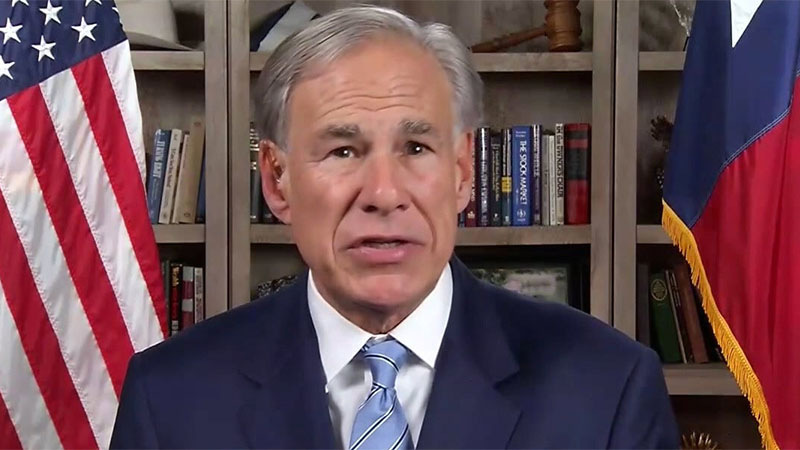
"Texas students are our future leaders and the workforce of tomorrow. They deserve the option to receive a degree in a high-demand, high-wage field in less time as a means to reduce the overall cost of securing a degree."
– Governer Greg Abbott
Texas Insider Report: AUSTIN, Texas – Texas could soon offer students a faster path to a bachelor’s degree if Governor Greg Abbott’s latest higher education proposal moves forward.
Governor Abbott has written a letter to the Texas Higher Education Coordinating Board to develop recommendations for how schools can grant bachelor’s degrees in three years.
Abbott argues that every semester adds to tuition, fees, housing, food, transportation, and other living expenses, and delays students’ ability to begin their careers. A three-year degree can reduce the overall cost of securing a degree and allow students to enter the workforce sooner.
The proposal focuses on high-demand, high-wage fields to ensure students are prepared for successful careers.
"Every semester adds to tuition, fees, housing, food, transportation, and other living expenses, and delays students’ ability to begin their careers. Texas students are our future leaders and the workforce of tomorrow. They deserve the option to receive a degree in a high-demand, high-wage field in less time as a means to reduce the overall cost of securing a degree," Abbott said in a letter to the board.
Recent changes to accreditation standards have created a new opportunity to develop three-year bachelor’s degree pathways in high-demand, high-wage fields.
Abbott directs the working group to develop recommendations regarding:
- Academic standards and requirements for three-year bachelor’s degree pathways
- Degree programs and high-demand occupations for which three-year bachelor’s degree pathways may be most appropriate
- Student demand and employer workforce needs
- Accreditation and institutional approval requirements
- Statutory, regulatory, or administrative changes necessary for statewide implementation.
Abbott’s letter directs the board to convene a working group representing public colleges and universities, employers, accreditation agencies, and other stakeholders to develop the recommendations, which are due back to him by the end of this year.
Read the entire letter HERE.