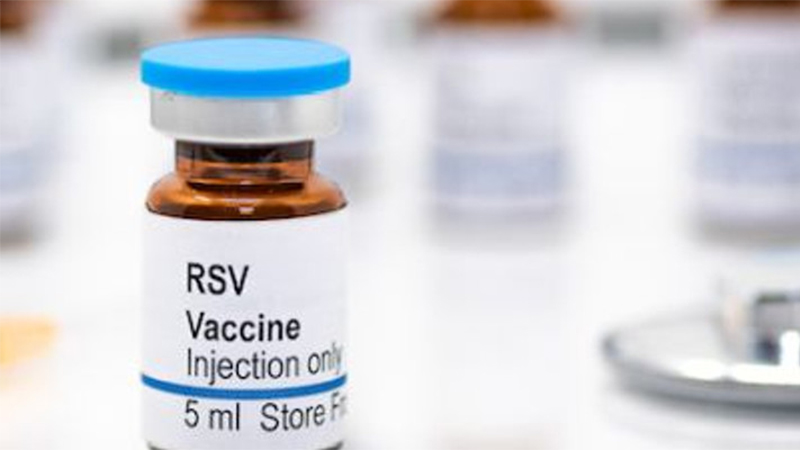
Respiratory Syncytial Virus Can Be Prevented
AUSTIN, Texas (Texas Insider Report) — As a clinical nurse specialist with over 20 years of experience, I’ve seen how even minor illnesses can quickly become dangerous – especially for babies, who are particularly small and vulnerable in their earliest months. It’s only natural that parents want to do everything possible to keep their children safe.
During those critical early weeks and months, one of the most important steps parents can take is ensuring their infants receive recommended immunizations, including protection against serious and sometimes fatal respiratory illnesses such as Respiratory Syncytial Virus, or RSV.
While RSV causes mild, cold-like symptoms to older children and adults, it can become life-threatening for kids less than a year old.
This highly contagious virus infects the lungs and respiratory tract, contracts the airways, and makes it incredibly difficult and miserable for infants to breathe. Severe cases of RSV can lead to hospitalization, including potentially intensive care like mechanical ventilation.
All of this makes it the leading cause for infant hospitalization every year.
What’s worse is that RSV is quickly spreading here in the Lone Star State.
- North Texas has recorded a surge in cases since December.
- Other regions like Harris County have also reported a high level of cases in the beginning of the new year.
Now, as we enter the peak RSV months, medical experts are increasingly concerned about how many young infants could become infected and require hospitalization.
Major breakthroughs in the medical field have provided families with new, innovative therapies to fight back against RSV. FDA-approved RSV immunizations have been medically proven to help keep babies and infants safe from the worst of RSV, with clinical research showing that they significantly reduce respiratory tract infections, leading to much lower hospitalization rates.
What’s more is that these treatments provide protection starting the very same day the baby is immunized, maximizing early protection when it matters most. In fact, I've seen firsthand how RSV immunization can save lives – most personally in the case of a close friend’s baby.
Nevertheless, these new treatments against RSV are only effective if families take advantage of them at the appropriate time.
To clear up any confusion, medical professionals are in agreement with the latest guidance issued by the Department of Health & Human Services:
- The RSV season lasts from October to March.
- Should your baby be born before the start of the RSV season, parents should ensure immunization about two weeks before the season begins, typically around mid-September.
- Babies born during the season should be immunized as soon as possible, ideally within their first week of life.
- Parents with little ones should follow these recommendations to help boost their child’s protection against RSV.
 It’s important that parents have as much information as possible when it comes to making medical decisions for their children. With new FDA-approved immunizations proven to protect their children from RSV, I strongly advise parents to take advantage of these options to safeguard their babies from the virus’ most severe effects.
Elizabeth J. Jackson, ACNS-BC, FNLA, is a Clinical Nurse Specialist who wrote and is sharing this article in her personal capacity