The contraction of credit Sanders-Hawley would trigger would lower consumer spending, retail sales, and lead to a decline in the production of Goods & Services
Stephen Moore: Unleash Prosperity Hotline – Credit cards have become an essential lubricant that makes our consumer markets in America work smoothly and efficiently. These plastic cards (now accessible on cell phones) perform an essential function in the American economy, accounting for approximately one third of consumer spending and nearly one quarter of U.S. GDP.
Those numbers are growing every year and will continue to as the U.S. economy moves toward cashless transactions.
 The "10 Percent Credit Card Interest Rate Cap Act," co-sponsored by Senators Bernie Sanders (I-VT) and Josh Hawley (R-MO) would impose a 10% ceiling on credit card APRs for five years, and penalize issuers who violate it by forfeiting all interest on the debt.
- We estimate that at least 64 million consumers would have less access to credit cards or would pay higher fees. Sanders-Hawley would put millions of lower-income Americans with poor credit ratings at risk of losing access to cards entirely.
- Some 60 million would face new credit fees and restrictions.
- The contraction of credit Sanders-Hawley would trigger would lower consumer spending, retail sales, leading to a decline in the production of goods and services.
- This economic tripwire could potentially tip the economy into a short-term recession, while the industry adjusts its revenue options as they adhere to these new rules.
- We estimate there would be up to $714 billion of potential loss to GDP from reduced consumer spending.
- Read the full study by clicking here.
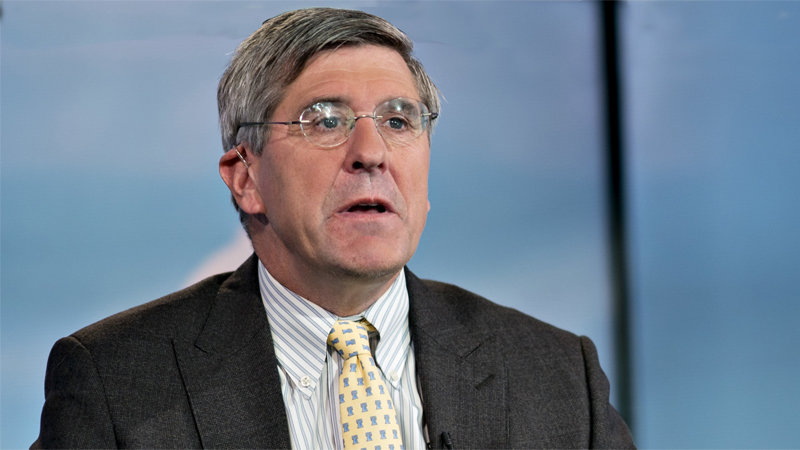
 Steve Moore – a former Wall Street Journal Editorial Page writer – is Chief Economist for The Texas Insider and a former Senior Economic Adviser to Donald Trump. A Senior Fellow at FreedomWorks, he is Co-Founder of the Committee to Unleash Prosperity along with Steve Forbes & Art Laffer. Using compelling charts, videos, and maybe even a little humor, Moore and the Committee's free Daily Newsletter provides information not readily available anywhere else – with short, timely inside updates on the economy, D.C. politicals, and numerous other issues to help you stay informed and allow you to be the smartest person in the room.