Protecting 340B Is Good Health Policy — and Good Fiscal Policy.
- by:
- 2026-09-22
- Source:
texasinsider

- 09/22/2026
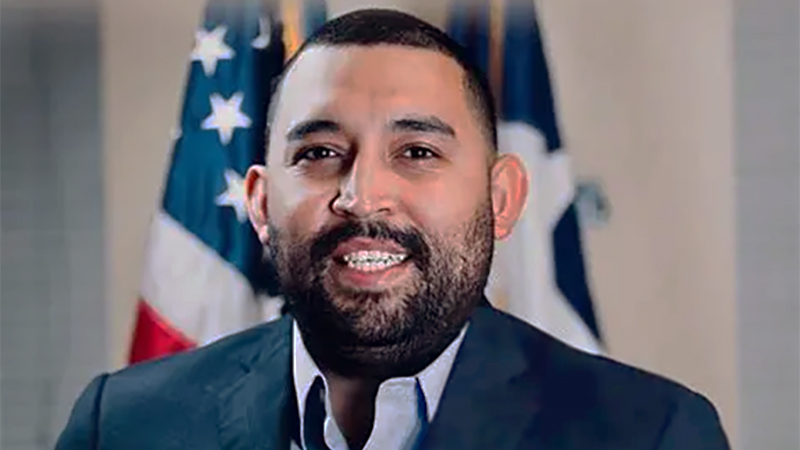
Joacim Hernandez is a solopreneur in McAllen, Texas by is licensed under
By Joacim Hernandez
Texas Insider Report: AUSTIN, Texas — One does not have to be an elected official to understand how public policy affects everyday Texans. My own public service has centered on a simple principle: government should be careful with taxpayer dollars while making sure essential services reach the people who need them most. That is why the federal 340B drug discount program matters so much to Texas.
For more than 30 years, 340B has helped safety-net hospitals, community clinics, and other eligible providers stretch limited resources by requiring drug manufacturers participating in Medicaid to provide outpatient medicines at discounted prices. The program’s purpose is straightforward: allow providers serving low-income, uninsured, underinsured, and medically vulnerable patients to reach more people and provide more comprehensive services without dipping into taxpayers' pockets to accomplish these goals.
That last bit is critical.
The 340B drug discount program is not an entitlement program, and it is not a state budget line item. It is a federally established, voluntary, and market-based mechanism that uses manufacturer discounts to help local health care providers serve their communities.
In Texas, where hospitals and clinics often care for large numbers of patients regardless of their ability to pay, 340B helps keep doors open, prescriptions affordable, and services available close to home.
The Texas Hospital Association has noted that participating entities can achieve savings of 25% to 50% on pharmaceutical purchases and that hospitals reinvest those savings in ways that directly benefit patients, including low-cost or free prescriptions, expanded service lines, and care for more patients.
Just as important, 340B comes at no cost to taxpayers because it is funded through manufacturer discounts rather than state or federal appropriations. The same association also emphasizes that the program involves no federal spending and that more than one in four Texas hospitals participate in it.
It's worth noting that even critics of the program concede that if it went away, a massive taxpayer-funded bailout of rural hospitals, probably to the tune of $100-$500 billion, would be required. So reforming 340B away is not just ill-advised from a health care standpoint; it's also bad from a budget and fiscal stewardship perspective.
But the positive fiscal effects of leaving 340B in place are even greater than that. When a Texan can obtain needed medication through a local provider, manage a chronic condition, or avoid a preventable health crisis, the benefit is not only personal; it is financial. More healthier people, means more workers, which means more reliable tax receipts that can be used to fund legitimately essential programs that unlike 340B do require tax dollars. Keeping people healthier reduces pressure on emergency rooms, county indigent care systems, local taxpayers, and state-supported programs. It also means they use the health care system less overall, which keeps health care programs that are taxpayer-funded, whether that be Medicaid, Medicare, or the ACA with its taxpayer-subsidized insurance plans, in better fiscal shape.
Again, protecting the 340B drug discount program is not merely a health care measure. It is a sound budget stewardship one.
My perspective on this issue is shaped by years of work in finance and private administration, and through prior service in county and state leadership roles, I have seen how fragile the support systems are for Texans living on the edge. A policy change that may look technical in Austin or Washington can have very real consequences in rural Texas, border communities, big cities, and every place where families are already choosing between rent, groceries, and medicine, and where visiting the doctor isn't as simple as driving a mile down the road.
That is why restrictions that limit the ability of eligible providers to use 340B savings should be viewed with caution.
If drug manufacturers or other outside interests weaken the program, the savings do not disappear into thin air; they are pulled away from community hospitals, local clinics, and patients who depend on those resources. The result would be fewer services, outdated medical equipment and technology, less access to medication, more strain on local health systems, and ultimately greater costs shifted back to taxpayers – both directly, in the form of inevitable bailouts, and indirectly, in the other ways outlined above.
Texas has long valued local control, practical solutions, and responsible budgeting. The 340B drug discount program fits within those values and represents exactly the kind of fiscally responsible policy we should preserve.
Joacim Hernandez is a solopreneur in McAllen, Texas, and is a member of the Rio Grande Valley Chamber of Commerce.
Joacim Hernandez is a solopreneur in McAllen, Texas by is licensed under