Texas Has Put Guardrails on Big Tech’s Power. Software Should Be Next.
- by:
- 2026-09-18
- Source:
texasinsider

- 09/18/2026
Texas has already run this play once. Last month, Governor Abbott got Microsoft and the other big data center operators to agree to real rules on power and water use.
Texans don't trust anybody who doesn't have to earn it. That's the whole premise of a Friday night in the fall, and it's the same standard we hold businesses to. Somebody forgot to send the software industry that memo.
The programs running nearly every office and agency in this state come out of a market that quit competing a long time ago. Software prices climbed more than 17 percent last year, the largest increase on record for the industry. Compare that to health insurance, an industry everybody loves to hate right now: premiums are rising at their fastest clip in over a decade, and at 9 percent, they still aren't in the same neighborhood. A gap that size doesn't happen by accident. It happens because somebody stopped having to fight for your business.
Banking and phone companies show what real competition looks like, with multiple providers genuinely trying to keep your account. Software never got there, and Microsoft is a prime example of why that's the case. If you've already paid for Microsoft software and want to run it on a competitor's cloud instead of Microsoft's own, Microsoft charges extra just for that, on top of what you already paid. It's a penalty for trying to leave, dressed up as a line item.
The bigger Texas's reliance on this one company gets, the more that kind of leverage matters here. Texas has been running on Microsoft for over a decade, and its footprint keeps growing. Back in 2013, the state moved more than 100,000 employees onto Microsoft's Office 365, one of the largest government cloud contracts anywhere in the country. In 2020, Microsoft teamed up with the Texas Education Agency on a statewide digital skills push. And last month, the company signed on alongside Hut 8 and Equinix to follow Governor Abbott's new data center standards on power and water use. Not many vendors touch this much of Texas, from schools to government agencies, and now the grid itself. That's exactly the kind of presence that lets a company lock customers in without much pushback.
That's not just a national story. Texans are feeling it firsthand. Software subscription prices jumped 30 to 43 percent last year, all because of some new AI features nobody asked to pay for. Another round of increases landed this summer. Talk to Texas business owners and you'll hear the same story: bills up by a third, some paying ten times what they used to after Microsoft dropped the option to buy software without AI included. Seems we can't escape AI even if we aren't seeking it out.
Washington doesn't need to invent a new approach here. Texas has already run this play once. Last month, Governor Abbott got Microsoft and the other big data center operators to agree to real rules on power and water use. If Microsoft can accept guardrails when we write them for water and power, it can accept the same discipline on how it prices and licenses software. The FTC is already investigating exactly that. It's about whether software has to play by the same competitive rules as everything else doing business in the US. The FTC should push this to a real conclusion; not let it drag on.
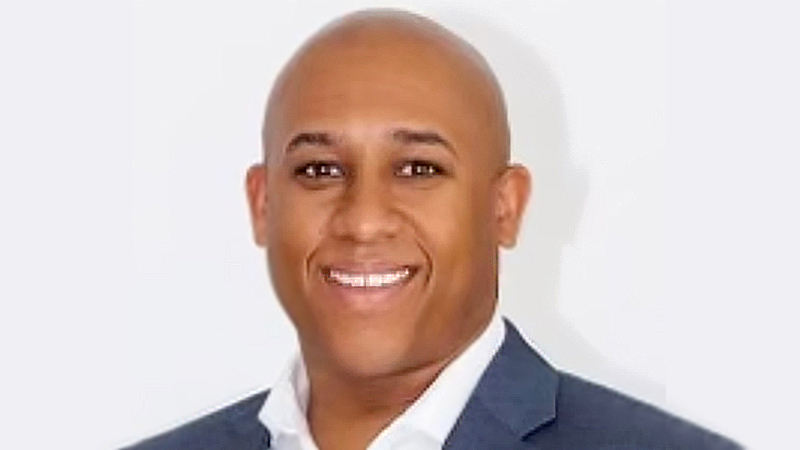
Raymond Jones is the CEO, and Head of Networking and Security for RedTeam Networks, a proud Texas based company.
Raymond Jones is the CEO, and Head of Networking and Security for RedTeam Networks, a proud Texas based company. by is licensed under